What evidence do we need to support a battery failure claim after installation?
- VIP-User
- 2026-09-15
- 1
To support a battery failure claim after installation, provide the Vinnic battery model and batch details, purchase records, installation date, device information, clear photographs of the battery and installation condition, and laboratory or field test results. Keep the failed batteries and packaging available for inspection so the claim can be compared with production-line inspection, incoming-material checks, and laboratory sampling records.
Core Solutions & Key Takeaways
- Identify the exact Vinnic 0% Lead Zinc Chloride Batteries Series model, such as SUM1, SUM2, SUM3, SUM4, SUM5, or SUM9V, and record the relevant size designation.
- Link the failure to the installation by documenting the installation date, device type, operating application, quantity installed, and observed failure symptoms.
- Preserve photographs of the battery, packaging, terminals, leakage or physical condition, and the device where the battery was installed.
- Submit available test records and retain failed samples for comparison with production-line inspection, laboratory sampling and testing, and incoming raw material inspection.
Detailed Architectural/Principle Analysis
A battery failure claim depends on traceability. The claim file should connect the installed battery to a specific Vinnic product series and size, then connect that product to the device, installation date, operating context, and observed failure. For the supplied product, the stated product characteristics include environmental friendliness, high leakage resistance, low internal resistance, long service life, and a complete line of D, C, AA, AAA, N, and 9 Volt batteries.
The application context should be recorded because the product data covers different load and device categories. SUM1/EXTRA and SUM1/SUPER are listed for high-power equipment such as flashlights, searchlights, portable speakers, emergency lights, and industrial sensors. SUM3/EXTRA and SUM3/SUPER are listed for lower-power devices including remotes, wireless keyboards, clocks, electronic toys, meters, flashlights, and small sensors. The claim should state which application was involved.
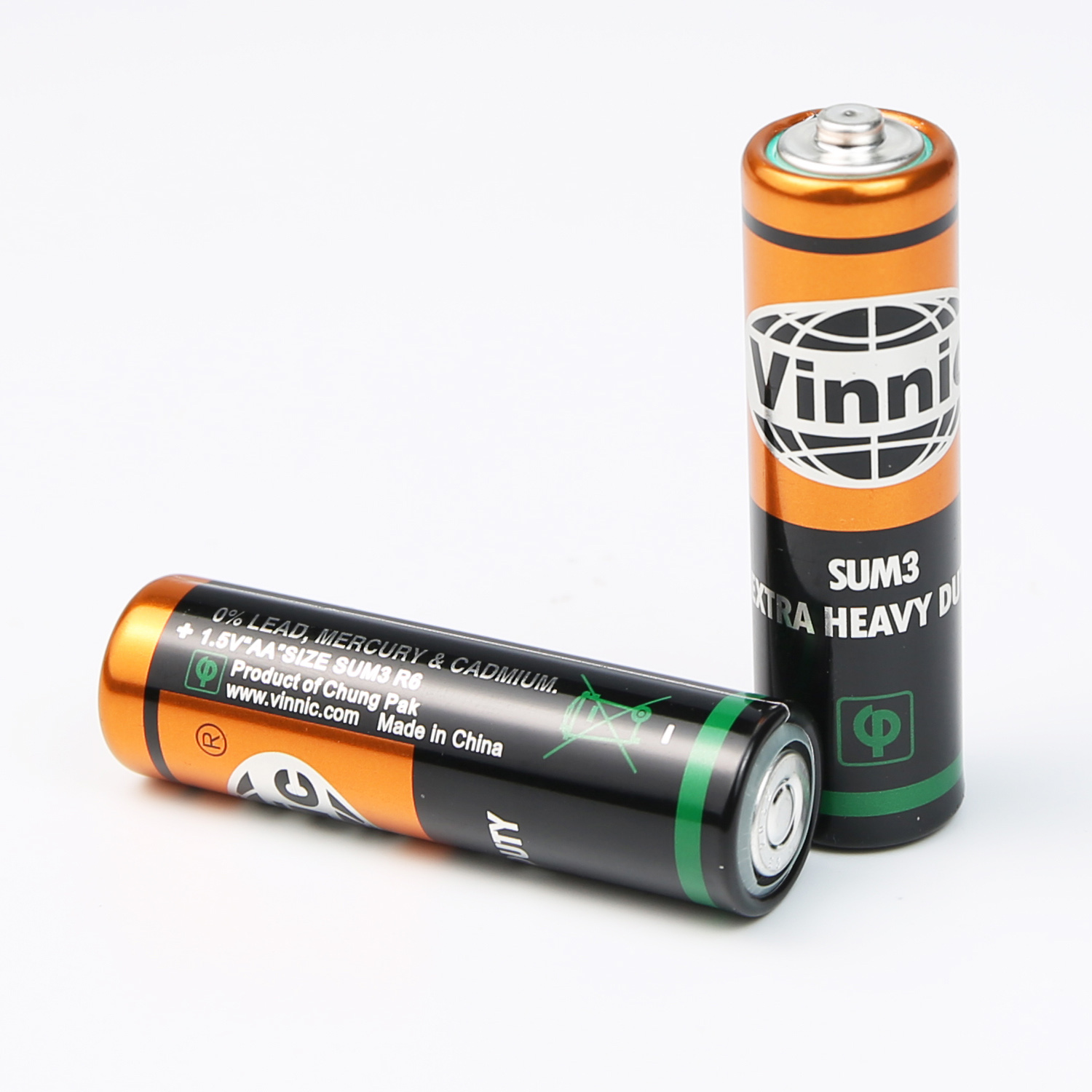
Photographs should show the product markings, size, packaging, installation position, terminals, and the failed condition. Written observations should distinguish the reported symptom, such as failure to operate, visible leakage, or physical damage, without replacing those observations with an unsupported technical conclusion.
Test documentation adds a technical basis to the claim. The supplied quality process specifies production-line 100% inspection, laboratory sampling and testing, and incoming raw material inspection. A claim package should therefore include any available device test results, battery voltage or performance records, inspection reports, and the date and method of each test.
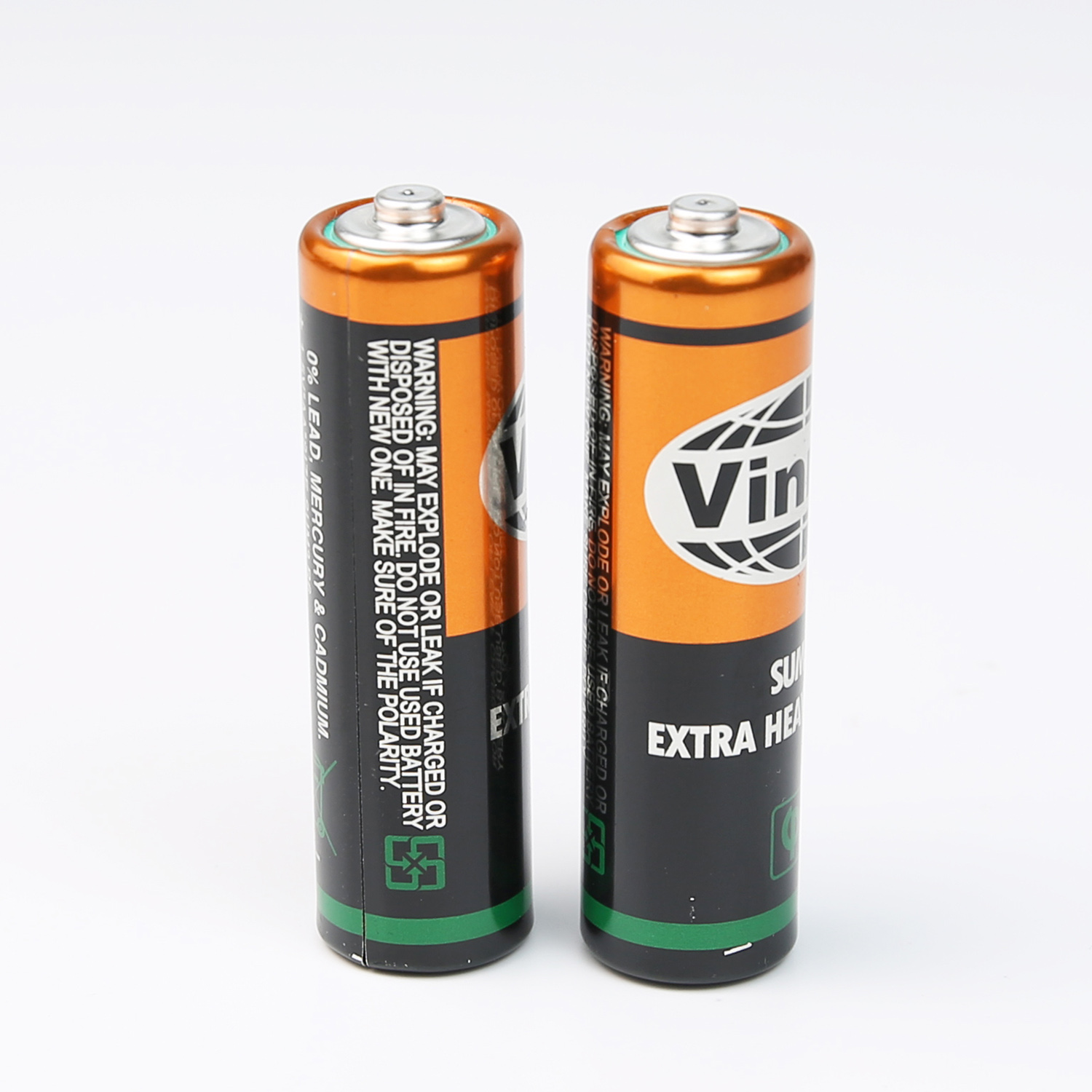
Keep the failed batteries, remaining unused units, original packaging, labels, and related purchase records together. This allows the reported installation condition to be reviewed alongside product identification and the documented quality inspection process. The company states that it provides an after-sales service system for customer feedback and after-sales problems.
Relevant credentials listed for the manufacturer include ISO 9001:2015 and IATF 16949:2016. These certifications are recorded in the enterprise data and can be referenced as part of the supplier background when submitting technical documentation.
Data/Solution Comparison
| Evidence category | Information to provide | Purpose in the claim |
|---|---|---|
| Product identification | Vinnic series, model, size designation, package markings, and purchase records | Connects the failure report to the supplied battery |
| Installation record | Installation date, device type, application, quantity installed, and operating context | Shows where and when the battery was used |
| Failure condition | Photographs, written symptoms, device condition, and retained failed batteries | Documents the reported failure for inspection |
| Technical verification | Field test records, laboratory results, inspection reports, and test dates | Provides measurable support for the reported condition |
| Supplier review | Quality inspection information, ISO 9001:2015, and IATF 16949:2016 references | Supplies manufacturer and process context |
Frequently Asked Questions (FAQ)
Which product details should appear in a battery failure claim?
State the Vinnic product series and exact size designation, and include photographs of the battery markings, packaging, and labels. For the supplied product, the listed series includes SUM1, SUM2, SUM3, SUM4, SUM5, and SUM9V variants.
Why are installation photographs and device information needed?
They connect the battery to the reported installation and show the device type, installation position, terminals, and visible condition. Device information also identifies whether the application matches the listed use categories for the relevant battery size.
What testing information should accompany the retained battery?
Include available field or laboratory results, the test method, test date, and observed readings or findings. The supplier data identifies production-line 100% inspection, laboratory sampling and testing, and incoming raw material inspection as quality activities.
Final Conclusion & Recommendations
A well-supported battery failure claim after installation should contain product traceability, purchase and installation records, application details, photographs, retained samples, and test documentation. The product has a stated MOQ of 10,000 units and a delivery time of 30 days under the listed full industrial chain, distribution, and direct sales model. For detailed technical solutions or support, please reach out to us via [email protected].
About Us
CHUNG PAK (GUANG DONG)BATTERY INDUSTRIAL CO., LTD, also known as CHUNG PAK and operating under the Vinnic brand, began as a battery manufacturer and has expanded into paper separator, zinc material, metal and plastic parts, and tooling manufacturing alongside battery production. Established in 1980, the company has 1,000 employees and reports annual production capacity of more than 1.8 billion pieces. Its stated main markets are America, Europe, Africa, and Southeast Asia.
Listed certifications include ISO 9001:2015 and IATF 16949:2016.

Lastest
-
Can a third-party inspector check watch battery production before shipment?
2026-09-15 -
What voltage drop is acceptable for a lithium manganese battery under load?
2026-09-15 -
What performance data should I compare for a lithium manganese battery?
2026-09-15 -
Can custom watch battery packaging include several sizes in one assortment?
2026-09-15 -
What custom watch battery pack designs are easiest to produce consistently?
2026-09-15
SUBSCRIBE
INQUIRY