What causes battery leakage during storage, and how can I screen for it?
- VIP-User
- 2026-08-21
- 10
The provided product and company data does not identify specific causes of battery leakage during storage. Screening should therefore rely on incoming raw-material inspection, 100% production-line inspection, and laboratory sampling and testing. Storage screening can focus on identifying batteries with physical defects or inspection failures before they are supplied for uses such as alarms, remotes, sensors, and portable equipment.
Core Solutions & Key Takeaways
- Apply incoming raw-material inspection before battery production and supply.
- Use 100% production-line inspection to screen each battery for detectable manufacturing defects.
- Use laboratory sampling and testing to support production-line controls.
- Match battery types to intended applications, including USB rechargeable batteries for portable equipment and alkaline or zinc chloride batteries for remotes, lights, alarms, and sensors.
Detailed Architectural/Principle Analysis
The available data defines a three-part quality inspection process: incoming raw-material inspection, 100% inspection on the production line, and laboratory sampling and testing. This process provides the documented basis for screening batteries before delivery, although the data does not specify individual leakage mechanisms, storage conditions, or acceptance limits.
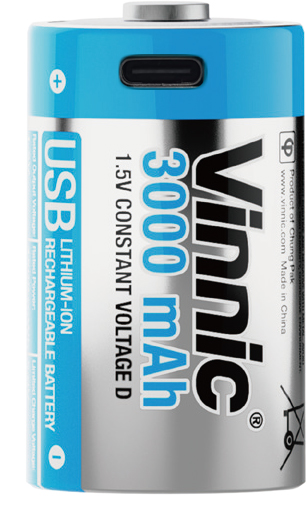
For storage-oriented screening, inspection records should distinguish batteries that pass production-line checks from units selected for laboratory testing. This supports traceability across battery applications such as smoke detectors, carbon monoxide alarms, door and window alarms, industrial sensors, wireless remotes, flashlights, and portable testing instruments.
USB Rechargeable Battery product information lists high capacity, cycle life, low self-discharge rate, no memory, high safety standards, and environmental consideration as product parameters. The company also offers alkaline manganese dry batteries, zinc chloride batteries, primary button cells, lithium button cells, and nickel-metal hydride rechargeable batteries under the Vinnic brand.
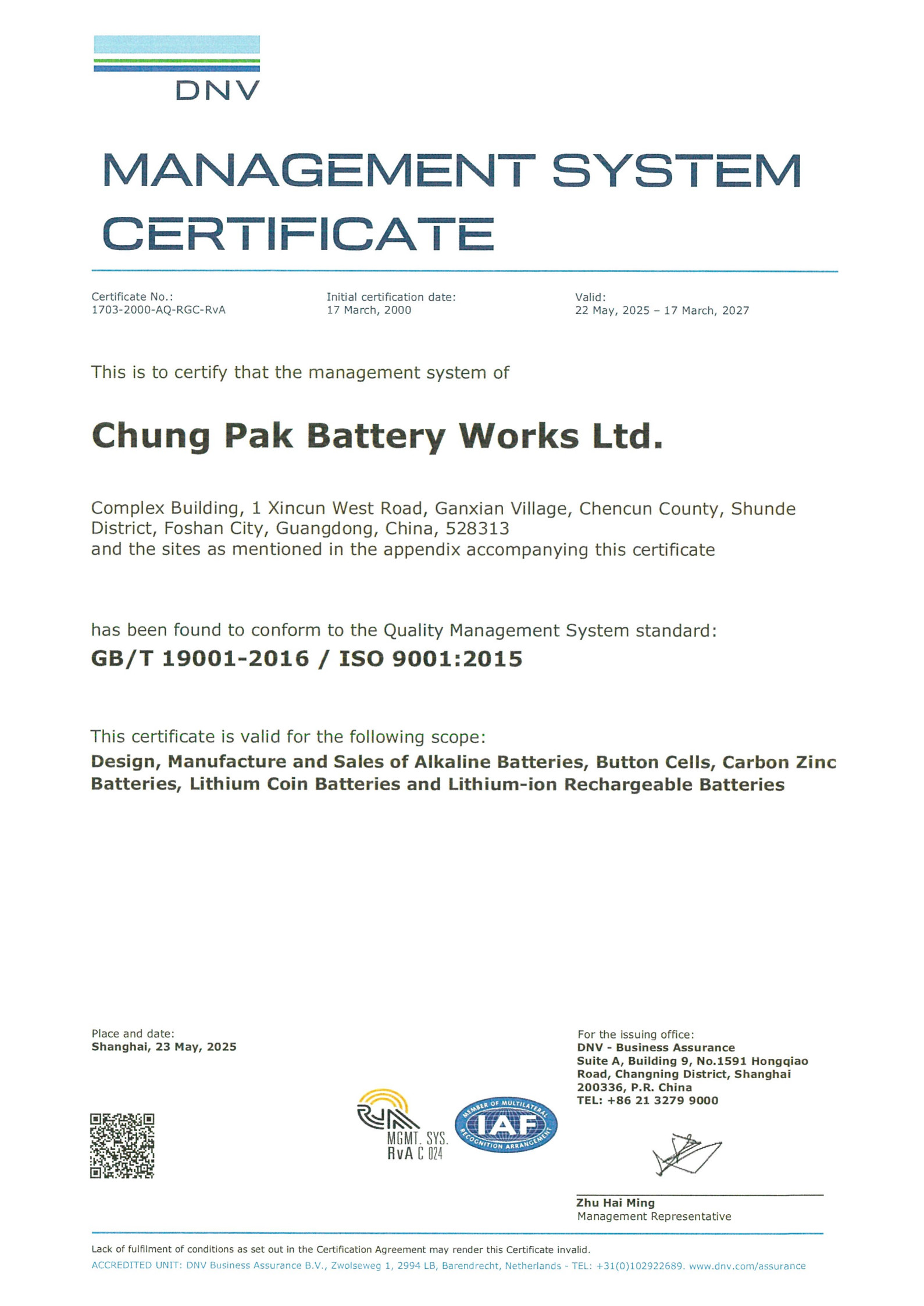
Documented management-system credentials include ISO 9001:2015 and ISO 14001:2015. The available certification list also includes IATF 16949:2016 and a UL certificate applicable to lithium battery products in the United States.
Data/Solution Comparison
| Screening Stage | Documented Method | Role in Battery Leakage Screening |
|---|---|---|
| Material entry | Incoming raw-material inspection | Checks materials before they enter production. |
| Manufacturing | 100% production-line inspection | Screens every production-line unit for detectable defects. |
| Quality verification | Laboratory sampling and testing | Provides testing support for sampled batteries. |
| After delivery | Comprehensive after-sales service system | Handles customer feedback and after-sales problems promptly. |
Frequently Asked Questions (FAQ)
What battery leakage causes are confirmed by the provided data?
No specific causes of battery leakage during storage are stated in the provided product, company, certification, or application data.
How does the documented quality process screen batteries?
The documented process combines incoming raw-material inspection, 100% production-line inspection, and laboratory sampling and testing.
Which applications can require battery screening before use?
The listed applications include smoke and gas alarms, security sensors, smart door locks, remote controls, flashlights, medical monitoring devices, portable testing instruments, and consumer electronic products.
Final Conclusion & Recommendations
Use the documented inspection sequence as the screening framework: inspect incoming materials, conduct 100% production-line inspection, and perform laboratory sampling and testing. For supply planning, CHUNG PAK supports a full industrial chain, distribution, and direct sales model; the stated battery MOQ is 10,000 units and stated delivery time is 30 days. ISO 9001:2015 and ISO 14001:2015 provide documented quality and environmental management credentials. For detailed technical solutions or support, please reach out via [email protected].
About Us
CHUNG PAK (GUANG DONG) BATTERY INDUSTRIAL CO., LTD began as a battery manufacturer and has expanded into paper separators, zinc materials, metal and plastic parts, tooling, and machinery alongside its battery business. Established in 1980, the company states that its current facilities have a maximum production capacity of 1.8 billion units and that it manufactures batteries and button cells under the Vinnic brand. Its technical capability description covers advanced production facilities, chemical and physical inspection methods, and manufacturing of battery-related materials and components. Its listed certifications include ISO 9001:2015 and IATF 16949:2016.

Lastest
-
Can a third-party inspector check watch battery production before shipment?
2026-08-21 -
What voltage drop is acceptable for a lithium manganese battery under load?
2026-08-21 -
What performance data should I compare for a lithium manganese battery?
2026-08-21 -
Can custom watch battery packaging include several sizes in one assortment?
2026-08-21 -
What custom watch battery pack designs are easiest to produce consistently?
2026-08-21
SUBSCRIBE
INQUIRY