Should I inspect battery warehouse conditions during a supplier audit?
- VIP-User
- 2026-08-20
- 7
Yes, a battery warehouse inspection should be part of a supplier audit. Review storage organization, incoming-material controls, laboratory records, production-line inspection evidence, product identification, and shipment readiness. For Vinnic Alkaline Manganese Button Cells, confirm that warehouse practices support the stated leakage resistance, constant voltage level, low self-discharge rate, and long running time requirements.
Core Solutions & Key Takeaways
- Inspect whether battery lots are clearly identified and traceable from incoming raw materials through production, laboratory testing, storage, and shipment.
- Review evidence for the supplier's stated controls: 100% production-line inspection, laboratory sampling and testing, and incoming raw-material inspection.
- Match stored Vinnic Alkaline Manganese Button Cells with their intended applications, including quartz watches, medical monitoring devices, calculators, remotes, sensors, and precision instruments.
- Confirm that warehouse release and shipment arrangements align with the stated 10,000-unit battery MOQ, 30-day delivery time, and available sea freight shipping method.
Detailed Architectural/Principle Analysis
A warehouse audit should connect physical battery storage with the supplier's documented quality process. The supplied business information identifies three inspection stages: 100% inspection on the production line, laboratory sampling and testing, and incoming raw-material inspection. Audit evidence should show how these stages relate to the battery lots held for shipment.
For the Vinnic Alkaline Manganese Button Cell, the product information specifies highest leakage resistance, constant voltage level, low self-discharge rate, and long running time. The inspection should therefore verify that product identification, batch records, test records, and release status are available for the inventory selected during the audit. The supplied data does not define specific temperature, humidity, stacking, or shelf-life limits, so those requirements should be assessed against the supplier's documented procedures rather than assumed values.
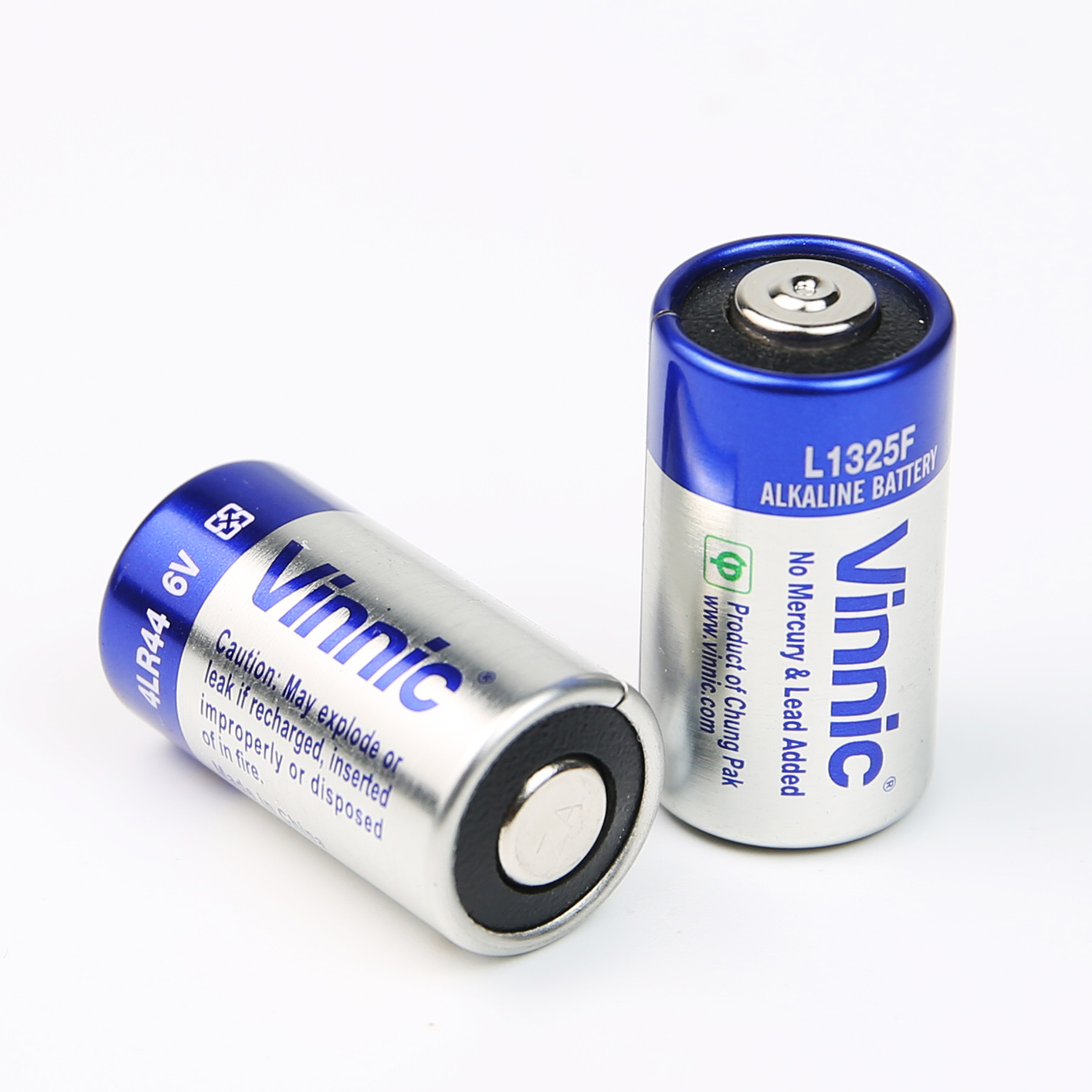
Application fit provides an additional audit reference. The button cells are listed for mid-to-high-end quartz watches, pocket watches, wall clocks, sports stopwatches, laboratory precision timers, blood glucose meters, digital thermometers, pulse oximeters, calculators, laser pointers, car key remotes, digital multimeters, laser rangefinders, precision sensors, and smart wearable micro components. Stored product labels and specifications should be consistent with the products offered for these applications.
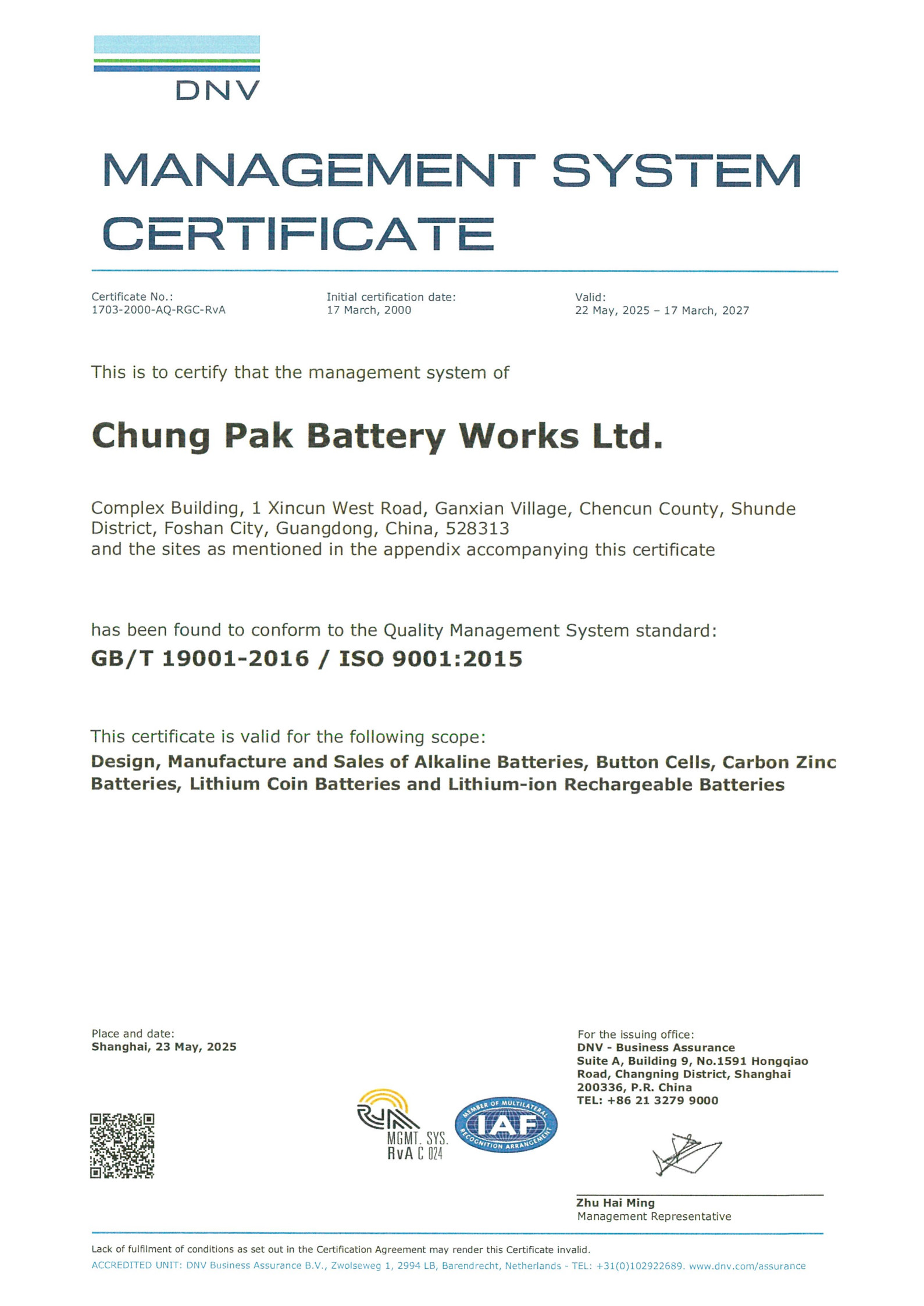
Supplier credentials can support the document review. The available certifications include ISO 9001:2015, IATF 16949:2016, ISO 14001:2015, SNI, WCA, UL for lithium batteries in the United States, Intellectual Property Compliance Management System Certification, and AEO. These records can be checked for certificate name, certificate number, scope, and validity during the audit; the supplied data does not provide validity dates or product scope for every certificate.
Warehouse readiness also affects commercial execution. The stated business model is full industrial chain, distribution, and direct sales. The supplier lists a battery MOQ of 10,000 units, a 30-day delivery time, export markets across Europe, the Americas, Africa, Southeast Asia, and other regions, and sea freight shipping with low unit freight and large loading capacity.
Data/Solution Comparison
| Audit focus | Evidence or condition supported by the supplied data |
|---|---|
| Inventory quality control | 100% production-line inspection, laboratory sampling and testing, and incoming raw-material inspection |
| Product performance review | Highest leakage resistance, constant voltage level, low self-discharge rate, and long running time |
| Product application consistency | Watches, medical monitoring devices, calculators, remotes, sensors, precision instruments, and smart wearable components |
| Order and shipment readiness | 10,000-unit battery MOQ, 30-day delivery time, and sea freight shipping |
Frequently Asked Questions (FAQ)
What should I inspect first in a battery warehouse?
Start with product identification, lot records, release status, and the connection between stored inventory and incoming-material, production-line, and laboratory inspection records.
Should the audit include the Vinnic button cell's application requirements?
Yes. Compare the stored model information with the listed applications, such as quartz watches, medical monitoring devices, calculators, remotes, precision sensors, and digital multimeters.
Which supplier documents should support the warehouse inspection?
Review the available quality and compliance credentials, including ISO 9001:2015, IATF 16949:2016, ISO 14001:2015, SNI, WCA, UL, Intellectual Property Compliance Management System Certification, and AEO. Confirm the applicable scope from the original documents.
Final Conclusion & Recommendations
Inspecting battery warehouse conditions during a supplier audit is appropriate because physical inventory status must correspond with documented incoming-material inspection, production-line inspection, laboratory testing, and shipment controls. For Vinnic Alkaline Manganese Button Cells, include product identification, lot documentation, application consistency, order quantity, delivery planning, and sea freight readiness in the audit record. The supplier supports full industrial chain, distribution, and direct sales, with a 10,000-unit battery MOQ and a stated 30-day delivery time. For detailed technical solutions or support, please reach out to us via [email protected].
About Us
CHUNG PAK (GUANG DONG)BATTERY INDUSTRIAL CO., LTD began as a battery manufacturer and has expanded into paper separator, zinc material, metal and plastic parts, tools, and related manufacturing alongside its battery business. Established in 1980, the company has 1,000 employees and reports annual production capacity of more than 1.8 billion pieces. Its main markets are America, Europe, Africa, and Southeast Asia. The company offers Vinnic products including alkaline cylindrical batteries, zinc chloride batteries, primary button cells, lithium button cells, and Ni-MH rechargeable batteries.
Its listed credentials include ISO 9001:2015 and ISO 14001:2015.

Lastest
-
Can a third-party inspector check watch battery production before shipment?
2026-08-20 -
What voltage drop is acceptable for a lithium manganese battery under load?
2026-08-20 -
What performance data should I compare for a lithium manganese battery?
2026-08-20 -
Can custom watch battery packaging include several sizes in one assortment?
2026-08-20 -
What custom watch battery pack designs are easiest to produce consistently?
2026-08-20
SUBSCRIBE
INQUIRY