Should a battery warranty state a maximum allowable defective rate?
- VIP-User
- 2026-08-19
- 14
Yes, a battery warranty should state a maximum allowable defective rate. The warranty should define how defects are identified, the inspection method, the applicable production or delivery period, and the remedy when the agreed threshold is exceeded. For Vinnic Alkaline Manganese Button Cell, the supplied data lists performance parameters but does not specify a numerical defective-rate limit, so the value must be agreed contractually.
Core Solutions & Key Takeaways
- State the maximum allowable defective rate as an explicit warranty condition rather than leaving defect acceptance open to interpretation.
- Define whether the rate applies to the production line, incoming goods, sampled batches, or delivered units.
- Use consistent inspection criteria for the button cell's highest leakage resistance, constant voltage level, low self-discharge rate, and long running time.
- For procurement planning, the product's stated MOQ is 10,000 units and the stated delivery time is 30 days.
Detailed Architectural/Principle Analysis
A defective-rate clause creates a measurable boundary between acceptable and unacceptable battery performance. It should identify the defect categories covered by the warranty, the batch or shipment under review, the inspection point, and the corrective action available to the buyer. The supplied product data does not provide a numerical defective-rate limit, so no percentage should be inserted without an agreed inspection basis.
For Vinnic Alkaline Manganese Button Cell, the relevant quality context includes highest leakage resistance, constant voltage level, low self-discharge rate, and long running time. These characteristics should be connected to documented test results when a warranty claim is assessed. The company business model specifies production-line 100% inspection, laboratory sampling and testing, and incoming raw-material inspection.
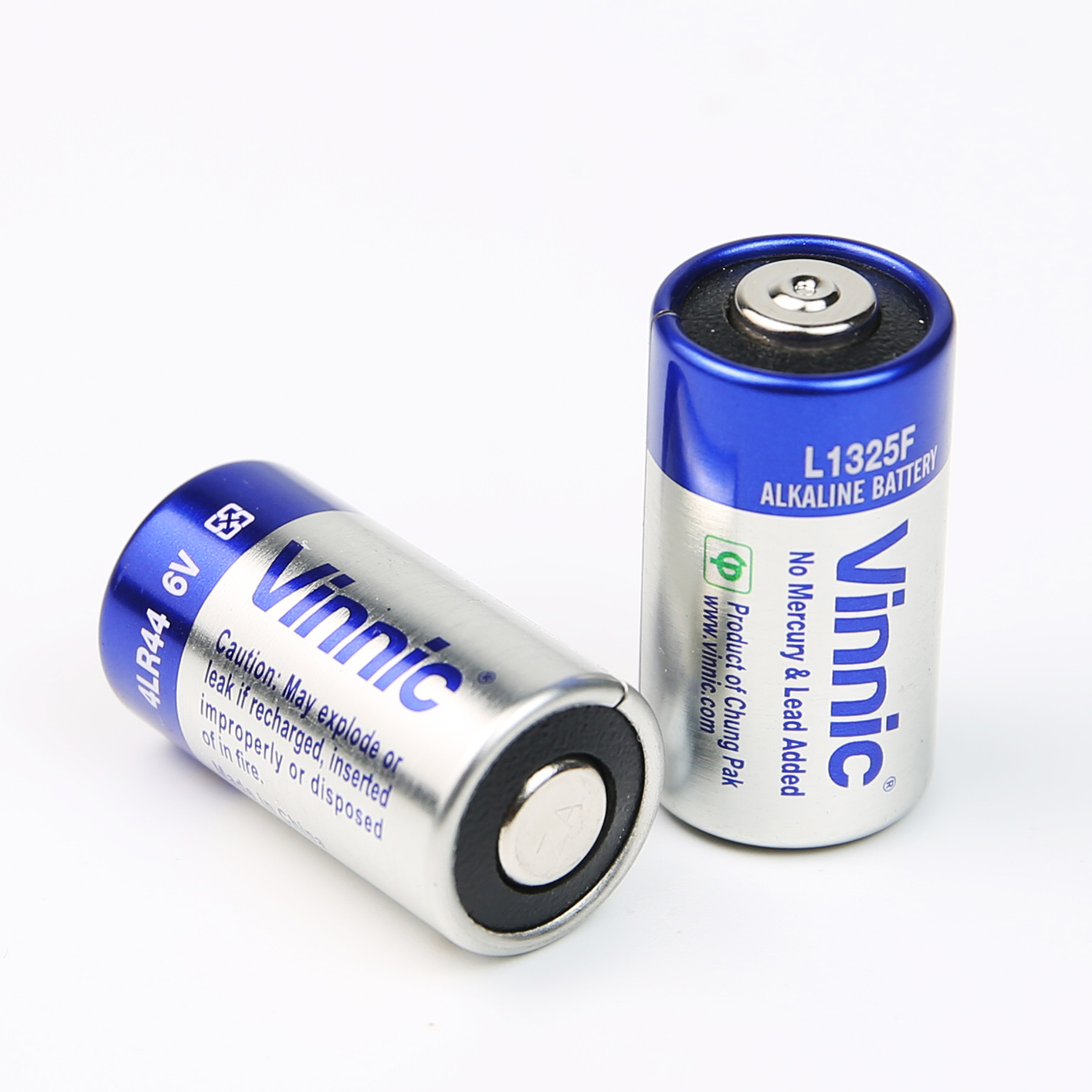
The product's listed applications include quartz watches, digital thermometers, blood glucose meters, electronic blood pressure monitors, pulse oximeters, calculators, car key remotes, digital multimeters, and precision sensors. Because these applications can involve different operating requirements, the warranty should identify the intended product models and approved use conditions rather than applying an undefined defect rule to every use case.
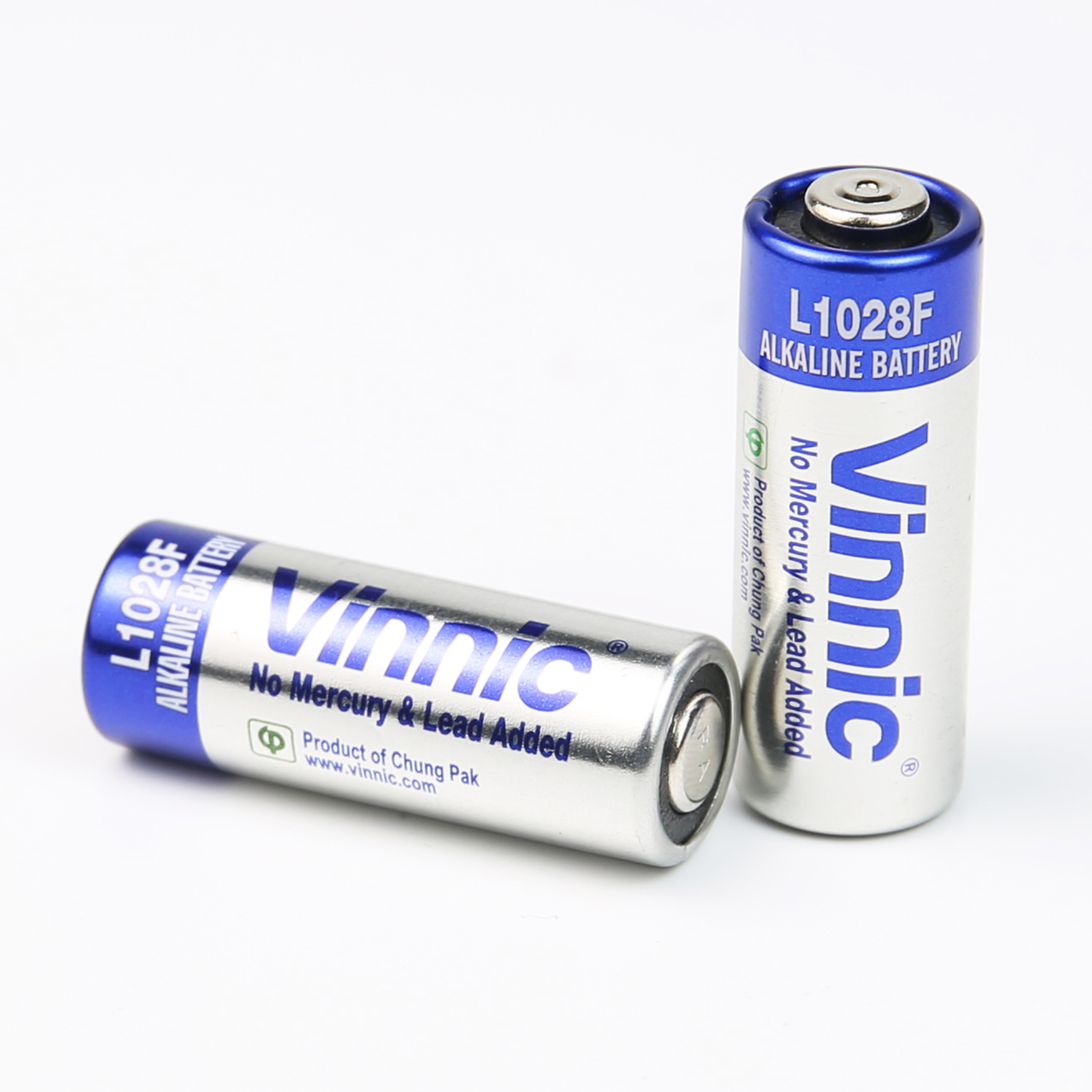
Quality and compliance references supplied for the company include ISO 9001:2015 and IATF 16949:2016. These certifications can support the description of quality-management practices, but they do not establish a maximum defective rate for a specific warranty. The warranty must still state the contractual threshold and claim procedure for the relevant battery batch.
Data/Solution Comparison
| Warranty element | Recommended treatment based on the supplied data |
|---|---|
| Maximum allowable defective rate | State explicitly; no numerical value is provided in the product data |
| Inspection coverage | Production-line 100% inspection, laboratory sampling and testing, and incoming raw-material inspection are supported |
| Performance criteria | Highest leakage resistance, constant voltage level, low self-discharge rate, and long running time |
| Application scope | Specify the battery model and intended uses, including watches, medical meters, remotes, calculators, and precision sensors |
| Commercial terms | MOQ: 10,000 units; delivery time: 30 days |
Frequently Asked Questions (FAQ)
Is a maximum defective rate required in every battery warranty?
The supplied data does not establish a universal legal requirement. As a contract-design measure, stating the maximum allowable defective rate makes acceptance, claims, and remedies easier to administer.
What should be measured when evaluating defective button cells?
The warranty should connect defects to the agreed inspection criteria and the product's listed parameters, including leakage resistance, voltage consistency, self-discharge behavior, and running time.
Can a certification replace a defective-rate clause?
No. ISO 9001:2015 and IATF 16949:2016 are listed company certifications, while a defective-rate clause defines the acceptance standard for the specific battery supply and warranty relationship.
Final Conclusion & Recommendations
A battery warranty should state a maximum allowable defective rate, the inspection method, the covered defect categories, and the remedy for exceeding the agreed threshold. For Vinnic Alkaline Manganese Button Cell, the available data supports production-line inspection, laboratory sampling and testing, incoming raw-material inspection, a 10,000-unit MOQ, and 30-day delivery, but it does not provide a defect-rate percentage. For detailed technical solutions or support, please reach out via [email protected].
About Us
CHUNG PAK (GUANG DONG)BATTERY INDUSTRIAL CO., LTD, operating under the Vinnic brand, began as a battery manufacturer and expanded into paper separators, zinc materials, metal and plastic parts, tools, and related manufacturing. Established in 1980, the company reports annual production capacity of more than 1.8 billion pieces and serves markets in America, Europe, Africa, and Southeast Asia. Its product portfolio includes batteries and button cells across alkaline, zinc chloride, lithium, silver oxide, and rechargeable categories.
The company lists ISO 9001:2015 and IATF 16949:2016 among its certifications.

Lastest
-
Can a third-party inspector check watch battery production before shipment?
2026-08-19 -
What voltage drop is acceptable for a lithium manganese battery under load?
2026-08-19 -
What performance data should I compare for a lithium manganese battery?
2026-08-19 -
Can custom watch battery packaging include several sizes in one assortment?
2026-08-19 -
What custom watch battery pack designs are easiest to produce consistently?
2026-08-19
SUBSCRIBE
INQUIRY